October 1, 2026
Upgrading the glass openings throughout a residence transforms structural beauty, boosts curb appeal, and elevates interior comfort across every season. Undertaking a complete replacement project requires thorough preparation, clear budgeting, and well-defined expectations. Choosing premium materials and partnering with skilled professionals ensures the renovation moves forward seamlessly from initial measurements to final trim work. Proper planning guarantees long-term satisfaction with your financial investment.
Property owners frequently jump straight into selecting frame styles without evaluating underlying structural conditions. Taking adequate time to inspect existing frames, study local weather patterns, and review neighborhood standards creates a dependable foundation for long-term project success. Here are five crucial elements to evaluate thoroughly before beginning your upcoming renovation project.
1. Evaluate Current Frame Conditions
Inspecting the existing structural support around every opening remains an essential first step before ordering replacement units. Hidden moisture damage, lingering wood decay, or warped structural supports can compromise new products if left unaddressed during construction. Professional technicians must carefully determine whether complete full-frame replacement or simple insert placement represents the most effective path forward for the property.
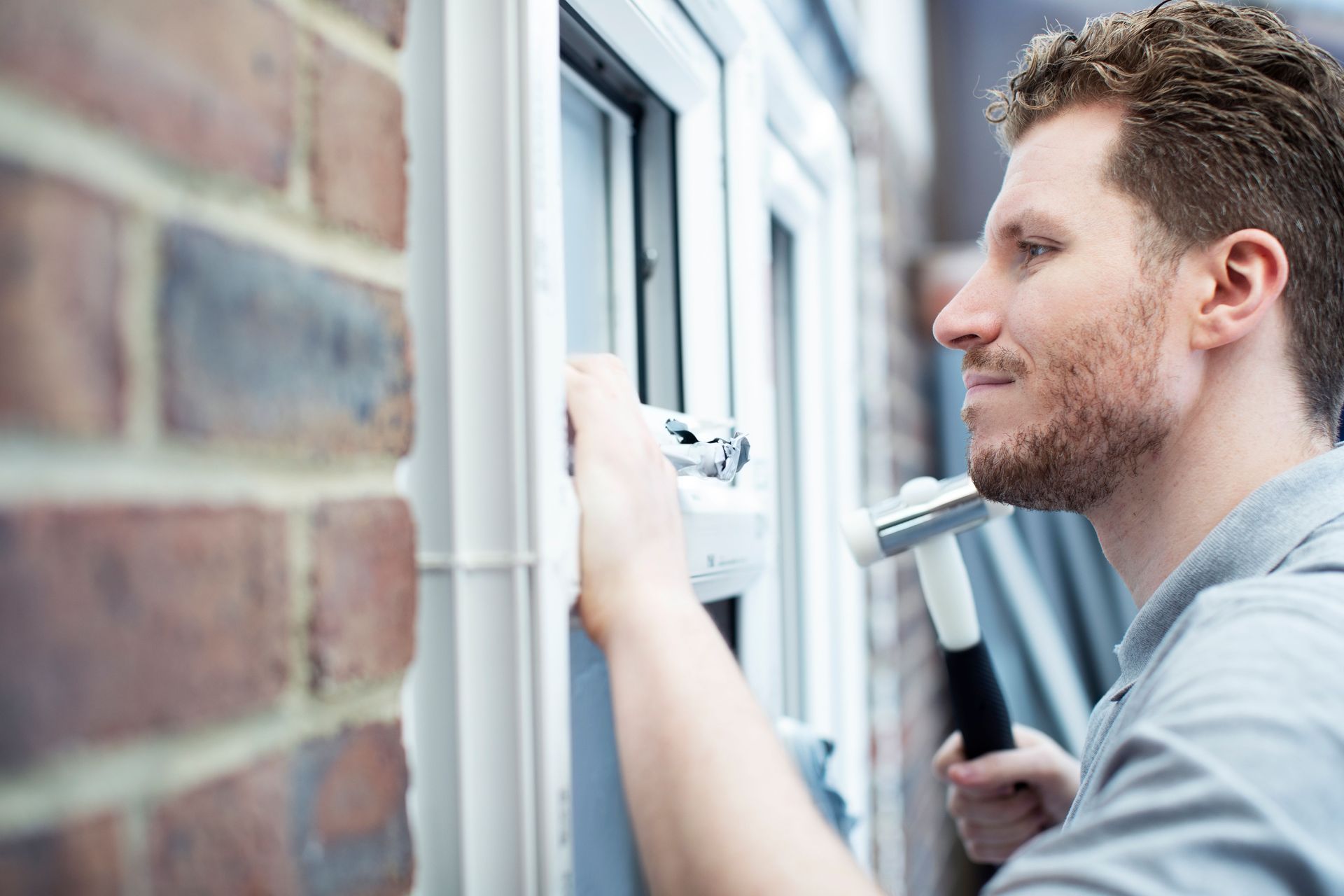
Uncovering structural defects early prevents unexpected delays once construction work begins at the job site. Taking accurate measurements across multiple dimensions ensures custom units fit properly without allowing air leaks or moisture intrusion. Preparing structural openings beforehand establishes a solid foundation for seamless window installation craftsmanship.
Beyond structural integrity, evaluating surrounding exterior siding and interior drywall provides crucial insight into potential repair requirements. Failing to identify water damage behind existing casing often leads to continuous structural degradation after new products arrive. Thorough diagnostic checks ensure every replacement unit rests within a sound, dry, and square opening that promises longevity.
Completing these preliminary evaluations allows homeowners to establish realistic construction timelines with their chosen contractors. Knowing whether full structural reconstruction is necessary helps coordinate schedules smoothly and reduces disruption to daily household routines. Clear communication during initial frame assessments ensures total alignment between property owners and professional installation crews.
2. Establish Realistic Financial Expectations
Formulating a comprehensive budget ensures that unexpected financial surprises do not disrupt your ongoing home improvements. Premium glass products, weather-resistant frame materials, protective hardware options, and expert labor fees all contribute directly to total overall expenses. Allocating contingency funds for unexpected wall repairs or trim adjustments safeguards your personal savings throughout execution.
Quality components often require higher initial expenditures, yet they deliver exceptional long-term value through enhanced product durability and reduced monthly spending on utilities. According to Forbes, drafty windows can cause your energy bills to be about 10% to 25% higher. Factoring long-term utility savings into your initial financial strategy makes investing in high-grade architectural components much easier to justify.
In addition to product expenses, homeowners should account for disposal fees associated with removing old materials safely. Professional removal prevents debris accumulation around your yard and guarantees responsible handling of outdated glass and rotting wood. Budgeting for complete disposal services avoids surprise charges on your final project invoice.
Understanding seasonal pricing trends can also help property owners optimize their project spending without compromising quality. Scheduling upgrades during non-peak installation seasons often unlocks promotional offers or faster appointment availability. Strategic financial planning allows you to maximize total overall value while achieving your visual and performance goals.
3. Select Appropriate Frame Materials
Choosing the right structural frame material impacts routine maintenance needs, exterior visual appearance, and daily thermal defense. Vinyl offers affordable durability with minimal upkeep requirements, while traditional wood delivers timeless beauty that requires periodic painting or sealing. Composite and modern aluminum frames present compelling alternative balances between structural strength, long-term maintenance, and crisp contemporary design.
Local weather patterns play a significant role in determining which specific material performs best across consecutive seasons. Severe regional humidity, intense summer sunlight, or prolonged freezing conditions continuously test material endurance. Selecting components engineered specifically for local weather conditions ensures your comprehensive window installation withstands harsh atmospheric elements effortlessly.
Material selection also directly influences long-term interior color harmony and overall home value. Select materials can be finished with dual-color options, offering tailored aesthetic choices for interior living spaces and exterior facades alike. Exploring structural material samples beforehand helps homeowners select options that complement architectural heritage while providing structural longevity.
Durability preferences should guide your ultimate selection process alongside initial cost considerations. While some materials demand ongoing painting or surface treatments to prevent atmospheric wear, others maintain clean finishes for decades without maintenance intervention. Aligning frame material performance traits with your personal lifestyle ensures total satisfaction over extended periods.
4. Understand Glass Performance Features
Selecting proper glass packages directly affects interior climate management and incoming daylight levels year-round. Multi-pane units engineered with insulating inert gases between panes offer superior thermal protection compared to single-pane designs. Specialized low-emissivity coatings reflect solar heat during scorching summer afternoons while retaining essential indoor warmth throughout freezing winter periods.
Acoustic dampening represents another vital performance feature for homes situated near active roadways, bustling school zones, or commercial corridors. Laminated glass configurations significantly dampen incoming neighborhood noise while simultaneously enhancing residential impact resistance and security. Tailoring glass packages to specific room orientations maximizes comfortable daylight exposure without generating uncomfortable solar heat gains.
Homeowners should also examine visible light transmittance ratings to balance natural interior illumination against UV protection needs. Advanced glass coatings block harmful ultraviolet rays that gradually fade interior flooring, delicate artwork, and valuable upholstery over time. Preserving interior furnishings while enjoying abundant sunlight enhances overall living comfort significantly.
Consulting with experienced project advisors ensures you select optimal glass specifications for every elevation of your residence. Northern exposures may benefit from maximizing passive solar heat during cold months, whereas southern and western exposures require enhanced solar control coatings. Precise component selection across every wall creates balanced, energy-efficient indoor living spaces throughout every season.
5. Prepare Indoor and Outdoor Workspaces
Clearing active work areas both inside and outside your residence creates a safe, efficient workspace for incoming crews. Removing delicate interior window treatments, decorative artwork, fragile collectibles, and nearby furniture pieces prevents accidental damage during removal and structural fitting. Providing wide, unobstructed access pathways enables technicians to transport heavy equipment, glass units, and construction tools safely.
Trimming overgrown exterior shrubs, moving potted plants, and clearing yard debris ensures installers maintain unhindered access around exterior walls. Covering surrounding flooring, carpeted hallways, and heavy furniture items with thick protective drop cloths keeps indoor spaces clean during dusty construction phases. Thorough preliminary workspace preparation dramatically enhances overall project efficiency during the window installation process.
Communicating specific access instructions or household preferences to crew supervisors beforehand fosters a smooth installation experience. Informing technicians about designated parking areas, preferred entry points, and household pet management ensures seamless coordination throughout daily operations. Simple preparation efforts minimize stress and allow technicians to focus entirely on precision craftsmanship.
Finally, planning for proper workspace cleanup post-construction ensures your home returns to immediate usability without hassle. Professional crews conduct detailed site sweeps, removing stray nails, glass remnants, and construction debris from perimeter yards and living areas. Thorough post-project cleanup reflects quality workmanship and leaves your property immaculate and ready for immediate enjoyment.
Making smart, informed decisions about major residential upgrades requires expert project guidance, superior craftsmanship, and high-performance building products. Choosing premium components and preparing your property thoughtfully guarantees lasting comfort, enhanced energy performance, and refined aesthetic charm for years ahead. Transform your living spaces with exceptional visual beauty, lasting structural security, and uncompromised energy performance by contacting Georgia Windows & Exteriors, LLC today.